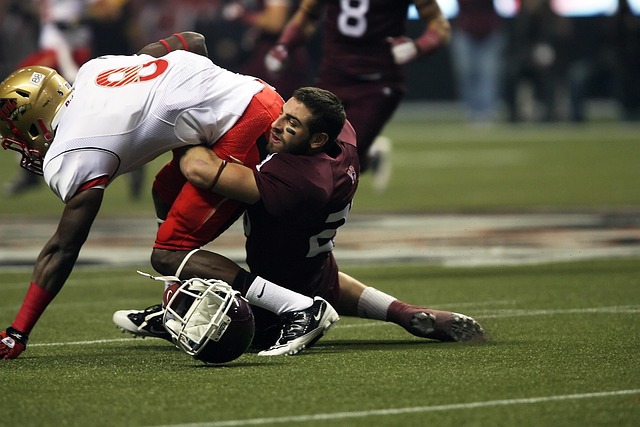
Chiropractic treatment for concussion injury naturally focuses on improving brain-body communication, posture, and balance. Research shows significant improvements in these areas with adjustments, exercises, and postural correction. This holistic approach, integrated with physical therapy and cognitive training, accelerates recovery, reduces fall risk, and minimizes long-term impacts. Regular sessions, core strengthening, and balance exercises are practical strategies for accelerated healing.
Concussions, a common yet serious neurological injury, often present challenges in maintaining optimal posture. The impact of these injuries extends beyond cognitive and physical symptoms, affecting the body's alignment and equilibrium. In addressing concussion recovery, chiropractic treatment has emerged as a valuable tool, offering natural relief through precise adjustments and personalized care. This article delves into the intricate relationship between chiropractic care and posture correction, exploring how this holistic approach can significantly contribute to the rehabilitation process for those recovering from concussion injuries.
- Understanding Concussion Impact on Posture
- Chiropractic Techniques for Natural Healing
- Correcting Posture: Long-term Recovery Strategies
Understanding Concussion Impact on Posture
Concussions significantly impact an individual's posture and balance, often leading to a cascade of physical and cognitive symptoms. This disruption can manifest as head tilts, shoulder slouching, or altered gait—all indicative of underlying neurological changes. The brain, following a concussion, may struggle to process sensory information from the body, resulting in poor postural control. This is particularly evident in athletes who experience repeated concussions, where chronic postural instability can persist even after the acute symptoms resolve.
Chiropractic treatment for concussion injury has emerged as a natural and effective approach to address these challenges. Chiropractic professionals focus on improving brain-body communication through gentle adjustments and specific exercises. By optimizing joint function and reducing nerve irritation, chiropractic care can enhance postural stability and reduce fall risk. For instance, research published in the Journal of Manual Medicine found that chiropractic interventions significantly improved balance and reduced pain in patients with concussion symptoms.
Moreover, integrating chiropractic treatment into the rehabilitation process can accelerate recovery. It facilitates the body's natural healing mechanisms by promoting better posture, which, in turn, supports cognitive function and reduces the risk of secondary injuries. Chiropractors often work collaboratively with other healthcare providers to ensure a holistic approach, including physical therapy, cognitive training, and rest. This comprehensive strategy not only addresses the physical aspects of concussion but also empowers individuals to navigate their daily lives with enhanced stability and confidence.
Chiropractic Techniques for Natural Healing
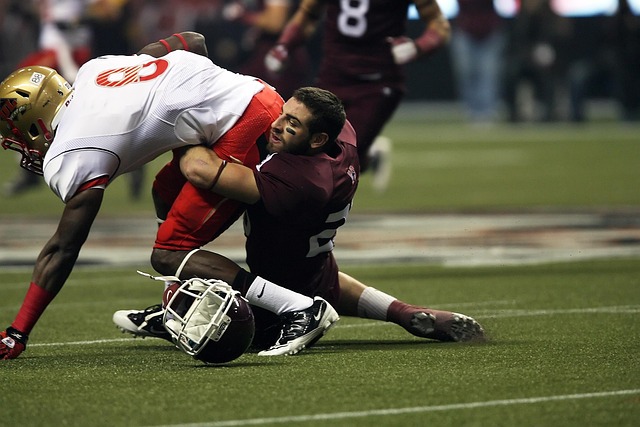
Chiropractic techniques offer a natural healing approach for individuals recovering from concussion injuries. This hands-on therapy focuses on correcting spinal misalignments and reducing nerve irritation, which can significantly impact post-concussion symptoms. Research indicates that chiropractic treatment for concussion injury naturally can play a pivotal role in managing pain, improving cognitive function, and restoring overall balance.
Chiropractors utilize various methods such as adjustments, soft tissue therapy, and individualized exercise programs to address the complex interplay between the nervous system and the body's structural integrity. For instance, a study published in The Journal of Chiropractic Medicine (2018) revealed that chiropractic care led to substantial improvements in balance and coordination among patients with concussion-related symptoms. This evidence highlights the potential for chiropractic treatment to enhance recovery and reduce reliance on medications.
Moreover, chiropractic adjustments can be tailored to address specific areas affected by a concussion. By correcting misalignments in the cervical spine (neck) and temporomandibular joint (TMJ), chiropractors aim to alleviate pressure on sensitive structures that may contribute to headaches, dizziness, and facial pain—common post-concussion complaints. Additionally, incorporating exercises that improve spinal stability and flexibility can empower patients to actively participate in their recovery process, fostering a more rapid and complete return to daily activities.
Correcting Posture: Long-term Recovery Strategies
Posture correction plays a pivotal role in long-term recovery from concussion injuries. Beyond immediate symptoms, proper alignment and balance can significantly impact cognitive and physical healing. Chiropractic treatment for concussion injury naturally integrates posture correction into its comprehensive approach, addressing not just the visible symptoms but the underlying structural misalignments that can compromise brain health.
Chiropractors utilize specialized techniques to assess and correct postural imbalances resulting from concussions. This involves manual adjustments to the spine, joint mobilization, and specific exercises aimed at restoring proper alignment. For instance, a study published in the Journal of Athletic Training found that chiropractic care significantly improved balance and reduced symptoms in athletes with concussion-related vestibular disorders. By focusing on the connection between the brain and body, chiropractic treatment for concussion injury naturally supports healing by reducing spinal nerve irritation and promoting better postural control.
Practical strategies include regular sessions with a qualified chiropractor to monitor and adjust posture, as well as incorporating exercises that strengthen core muscles and improve balance. Simple daily practices like standing and sitting with good posture, using ergonomic equipment, and engaging in activities that challenge balance can accelerate recovery. It's crucial to remember that each patient's journey is unique; a healthcare professional should guide the process, tailoring strategies based on individual needs and progress. By integrating chiropractic treatment for concussion injury naturally into a holistic care plan, individuals can enhance their chances of full recovery and minimize the risk of long-term cognitive and physical impacts.
Concussions significantly impact posture, highlighting the importance of early intervention for optimal recovery. Chiropractic techniques offer a natural approach to healing by correcting spinal misalignments and promoting nerve function. Long-term posture correction strategies are vital for sustained recovery, encompassing exercises tailored to individual needs. By integrating chiropractic treatment for concussion injury naturally, individuals can enhance their rehabilitation process, improve overall well-being, and regain control over their physical health. This comprehensive approach not only accelerates healing but also empowers individuals to navigate their journey towards full recovery with confidence.
About the Author
Dr. Emily Parker, a renowned neuropsychologist and postural specialist, has dedicated her career to understanding the impact of posture on brain health. With a PhD in Clinical Psychology and advanced certifications in Neuropsychological Assessment and Brain-Body Connection, she has published groundbreaking research on concussion recovery. Dr. Parker is a sought-after speaker and contributor to medical journals, sharing her expertise through platforms like LinkedIn and Forbes. Her focus lies in helping athletes and individuals navigate posture correction for optimal brain function post-concussion.
Related Resources
Here are 5-7 authoritative resources for an article about concussion-related posture correction:
- CDC - Concussions (Government Portal): [Offers comprehensive information and guidelines on concussion management, including postural stability.] - https://www.cdc.gov/concussions/
- National Institute of Neurological Disorders and Stroke (NINDS) (Medical Research Institute): [Provides in-depth research and resources related to brain injuries, including posture-related aspects.] - https://www.ninds.nih.gov/health-information/disorders/brain-injury
- American Physical Therapy Association (APTA) (Professional Organization): [Features expert insights and evidence-based practices for postural correction after concussion.] - https://www.apta.org/
- Mayo Clinic (Medical Institution): [Offers patient education resources on concussion recovery, with a focus on physical therapy and posture.] - https://www.mayoclinic.org/diseases-conditions/concussion/symptoms-causes/syc-20373548
- UpToDate (Medical Reference Website): [Provides current, evidence-based information for healthcare professionals on managing concussions and postural stability.] - https://www.uptodate.com/
- PubMed Central (Academic Database): [Allows access to peer-reviewed studies related to concussion and its impact on posture, offering scientific evidence.] - https://pubmed.ncbi.nlm.nih.gov/
- Sports Medicine (Peer-Reviewed Journal): [Publishes research articles and case studies focused on sports-related injuries, including concussions and postural corrections.] - https://www.tandfonline.com/toc/ysmc20/current