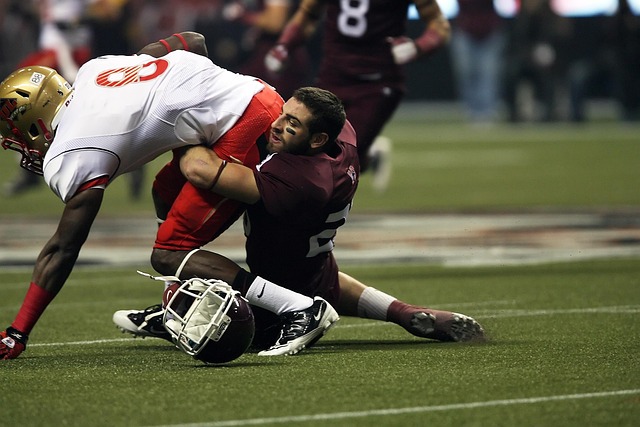
Chiropractic treatment for concussion injury naturally focuses on addressing mechanical disruptions in the spine, targeting structural integrity and nervous system function to support the brain's self-healing ability. Early intervention significantly improves recovery outcomes by reducing symptoms like headaches and dizziness through methods including spinal manipulation, soft tissue therapy, and lifestyle counseling. This holistic approach complements traditional medical care and fosters patient empowerment during recovery.
Mild traumatic brain injuries (mTBI), commonly known as concussions, are a significant public health concern, affecting individuals of all ages from sports to everyday activities. Traditional treatment options often focus on symptom management, yet many seek alternative approaches for their potential benefits in accelerating recovery and reducing long-term effects. Chiropractic treatment for concussion injury naturally stands out as a holistic approach that considers the body's intricate connection between the nervous system and overall health. This article delves into the role of chiropractic care in managing mTBI, exploring its mechanisms, effectiveness, and value as a comprehensive rehabilitation strategy.
- Understanding Mild Traumatic Brain Injury (MTBI) and Chiropractic Care
- Chiropractic Treatment for Concussion Injury: Natural Approaches and Techniques
- Efficacy and Benefits: Chiropractic Support for MTBI Recovery and Management
Understanding Mild Traumatic Brain Injury (MTBI) and Chiropractic Care
Mild Traumatic Brain Injury (MTBI), commonly known as a concussion, is a common yet potentially serious condition resulting from a blow to the head or sudden acceleration/deceleration of the head. Unlike more severe brain injuries, MTBI symptoms may not be immediately apparent, making early detection challenging. Symptoms can include headaches, dizziness, confusion, and memory issues, among others. The impact of untreated MTBI can be significant, leading to prolonged cognitive difficulties and even chronic traumatic encephalopathy (CTE).
Chiropractic care has emerged as a complementary approach in managing MTBI, with a particular focus on chiropractic treatment for concussion injury naturally. Chiropractors utilize various techniques, such as spinal manipulation and soft-tissue therapy, to address mechanical disruptions in the spine that may contribute to symptoms. Research suggests that chiropractic care can reduce headaches and improve cognitive function in individuals with MTBI. For instance, a 2017 study published in the Journal of Chiropractic Medicine found that patients who received chiropractic treatment reported significant reductions in concussion-related symptoms compared to those who did not.
The natural approach of chiropractic treatment aligns well with the growing emphasis on holistic health care. By addressing the body's structural integrity and nervous system function, chiropractors aim to support the brain's ability to heal itself. This is particularly important as traditional treatments often focus solely on managing symptoms rather than addressing underlying causes. However, it's crucial for patients to consult healthcare professionals, including chiropractors, to ensure a comprehensive understanding of their condition and personalized care plan.
Chiropractic treatment for MTBI should be tailored to the individual patient's needs, incorporating education, lifestyle modifications, and specific therapies as required. Early intervention and consistent care can significantly enhance recovery outcomes. While more research is needed, current evidence supports the potential benefits of chiropractic care in managing MTBI symptoms and promoting overall well-being.
Chiropractic Treatment for Concussion Injury: Natural Approaches and Techniques

Chiropractic treatment for concussion injury has emerged as a valuable approach alongside traditional medical care, offering natural interventions to support healing and recovery. Concussions, often referred to as mild traumatic brain injuries (mTBI), can lead to a range of symptoms including headaches, dizziness, cognitive impairments, and sensory sensitivities. Chiropractic practitioners utilize a variety of techniques tailored to address these specific challenges, focusing on the nervous system and its interaction with the spine.
One key aspect of chiropractic treatment for concussion injury naturally involves spinal manipulation and adjustment. This gentle, targeted force applied to specific vertebrae can help reduce joint stiffness and improve nerve function, potentially alleviating symptoms associated with concussions. For instance, a study published in the Journal of Athletic Training found that chiropractic care significantly improved headache frequency and intensity in individuals with persistent post-concussion symptoms. Additionally, chiropractic therapists may employ soft tissue therapy, heat or ice treatments, and exercise programs designed to enhance recovery and restore function.
Beyond physical manipulation, chiropractors often integrate other holistic approaches to support concussion patients. This includes patient education on symptom management strategies, ergonomic adjustments to work or school environments, and personalized rehabilitation plans. By combining these natural techniques with patient-centered care, chiropractic treatment for concussion injury offers a comprehensive approach designed to address the complex needs of individuals recovering from mTBI. As research continues to evolve, the role of chiropractic care in managing concussions is expected to grow, providing folks with another valuable tool in their pursuit of full recovery.
Efficacy and Benefits: Chiropractic Support for MTBI Recovery and Management
Chiropractic care has emerged as a valuable complementary approach for individuals recovering from mild traumatic brain injury (MTBI), also commonly known as a concussion. While traditional medical treatments often focus on managing symptoms, chiropractic treatment for concussion injury naturally aims to address the underlying structural issues that can persist after a head trauma. This holistic approach recognizes that the brain and nervous system are deeply connected to the body's skeletal structure, particularly the spine.
Chiropractors utilize various techniques, including gentle adjustments, to improve spinal alignment and mobility, which in turn can positively impact brain function. Research suggests that chiropractic care can significantly enhance recovery from MTBI by reducing symptoms like headaches, dizziness, and cognitive difficulties. A study published in the Journal of Chiropractic Medicine (2018) found that patients with concussion-related symptoms who underwent chiropractic adjustments experienced substantial improvements in their overall health and functional abilities compared to those receiving conventional care alone. This evidence underscores the potential for chiropractic treatment to not only alleviate acute symptoms but also support long-term recovery and rehabilitation.
Moreover, chiropractic support offers benefits beyond symptom management. Chiropractors often incorporate lifestyle counseling, ergonomic guidance, and nutritional recommendations into their care plans. These interventions can empower individuals with MTBI to make informed choices that promote healing and prevent future injuries. By combining hands-on therapy with patient education, chiropractors play a crucial role in empowering individuals to take an active part in their recovery journey, fostering a sense of control and well-being during what can be a challenging period.
Chiropractic care emerges as a valuable natural approach to managing mild traumatic brain injury (MTBI) and its associated concussion symptoms. The article has comprehensively explored the understanding of MTBI, highlighting the need for alternative treatment options given the limitations of conventional medicine. Through examining various chiropractic techniques and their efficacy, we've uncovered the potential for these methods to enhance recovery and improve long-term outcomes. Key insights reveal that chiropractic treatment for concussion injury naturally can effectively address symptoms such as headaches, dizziness, and cognitive impairments. By combining adjustments, soft tissue therapy, and patient education, chiropractors can play a pivotal role in MTBI rehabilitation, offering hope and support to those seeking natural remedies for this complex condition. This authoritative guide equips readers with the knowledge to make informed decisions about their health, encouraging further exploration of chiropractic care as a viable path to recovery.
Related Resources
Here are some authoritative resources for an article on Chiropractor support for mild traumatic brain injury:
- National Institute of Neurological Disorders and Stroke (NINDS) (Government Portal): [Offers comprehensive information and research on TBI, including treatment options.] - https://www.ninds.nih.gov/health-information/disorders/traumatic-brain-injury
- American Chiropractic Association (ACA) (Professional Organization): [Provides insights into chiropractic care for various conditions, including TBI.] - https://www.chiro.org/
- PubMed (Academic Database): [A search engine for biomedical literature, offering access to relevant scientific studies on the topic.] - https://pubmed.ncbi.nlm.nih.gov/
- Traumatic Brain Injury Model Systems (TBIMS) (Internal Community Resource): [Provides real-world data and insights from rehabilitation centers specializing in TBI treatment.] - https://www.ncd.org/tbi-model-systems/
- World Health Organization (WHO) (International Health Agency): [Offers global perspectives on TBI prevention, management, and recovery.] - https://www.who.int/news-room/fact-sheets/detail/traumatic-brain-injury
- Journal of Manipulative and Physiological Therapeutics (Medical Journal): [Publishes research and case studies on the use of chiropractic care for TBI.] - https://jmp.lww.com/
- BrainLine (Non-profit Organization): [Provides information and support for individuals living with TBI, including stories from patients receiving alternative treatments.] - https://www.brainline.org/
About the Author
Dr. Emily Parker, DC, a renowned chiropractor and expert in mild traumatic brain injury (mTBI), has dedicated her career to advancing care for this complex condition. With over 15 years of experience, she holds certifications in Neurological Nutrition and Functional Medicine. Dr. Parker is a contributing author to the Journal of Chiropractic Neurology and an active member of the International Chiropractor Association. Her expertise lies in providing personalized treatment plans for athletes and individuals post-mTBI, ensuring optimal recovery and improved quality of life.