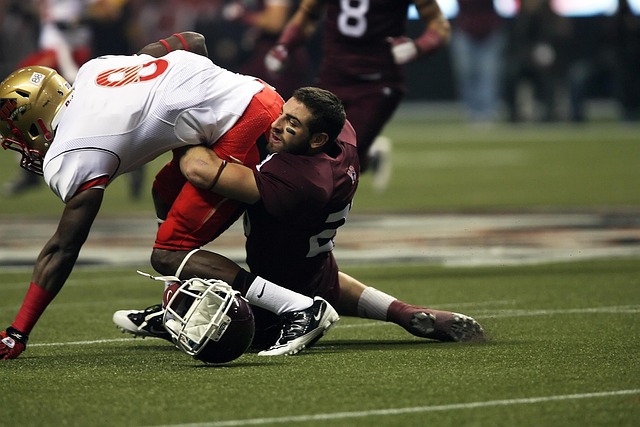
Chiropractic treatment for concussion injury naturally addresses mechanical imbalances caused by disruptions to brain-body communication, particularly in the vestibular system. This holistic approach combines spinal adjustments, soft tissue therapy, and exercise rehabilitation to restore neurological function, enhance self-regulation, and accelerate recovery while preventing chronic postural imbalances and future injuries, especially in young athletes. Tailored exercises focusing on core strength, proprioception, balance training, and stability significantly reduce symptoms and improve postural control, complementing chiropractic adjustments and other therapeutic modalities like heat/ice therapy and electrical stimulation. Regular exercise alongside chiropractic treatment benefits mental health, fostering empowerment in managing concussion symptoms.
Concussions, a common yet serious injury, often pose challenges beyond immediate symptoms. Posture imbalances and related spinal misalignments can exacerbate post-concussion issues, affecting recovery and daily functioning. This article delves into the critical intersection of concussion management and chiropractic care, exploring how natural, non-invasive chiropractic treatment for concussion injury can address these underlying structural problems. By understanding the impact of posture on recovery, healthcare professionals and patients alike can navigate a more holistic path to healing.
- Understanding Concussion Impact on Posture
- Chiropractic Techniques for Natural Recovery
- Integrating Exercise to Enhance Correction
Understanding Concussion Impact on Posture

Concussions, often dismissed as minor injuries, can have profound effects on an individual's posture and overall balance. This is particularly concerning given the rising incidence of concussions in contact sports and recreational activities. Research suggests that even mild concussive events can disrupt the complex interplay between the brain and the body's sensory systems, which are pivotal for maintaining optimal posture. Typically, the vestibular system, located in the inner ear, plays a key role in providing spatial orientation and balance. When affected by a concussion, this system may send mixed signals to the brain, leading to postural instability and altered gait patterns.
Chiropractors, recognized experts in neuromusculoskeletal care, emphasize the importance of early intervention to address these postural changes. Chiropractic treatment for concussion injury naturally focuses on correcting mechanical imbalances in the spine and joints that can contribute to poor posture. Through a combination of spinal adjustments, soft tissue therapy, and exercise rehabilitation, chiropractors aim to restore normal neurological function and enhance the body's ability to self-regulate. For instance, a study published in the Journal of Athletic Training found that chiropractic care significantly improved postural stability in athletes with concussions, offering a promising non-pharmaceutical approach to recovery.
Moreover, these adjustments can help reduce the strain on muscles and connective tissues that often compensatorily tighten around affected areas due to altered brain input. This multifaceted approach not only accelerates the healing process but also prevents the development of chronic postural imbalances that can lead to long-term health issues. As concussions continue to be a prevalent concern, particularly among young athletes, incorporating chiropractic care into concussion management strategies becomes increasingly vital for ensuring optimal recovery and reducing future injury risk.
Chiropractic Techniques for Natural Recovery
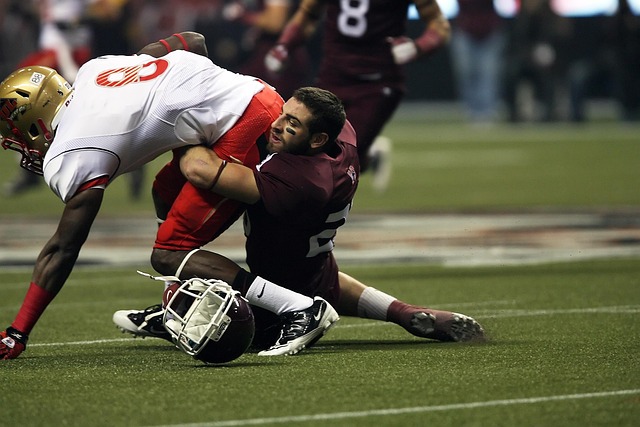
Chiropractic care offers a promising approach to concussion recovery, focusing on the subtle yet powerful adjustments to restore proper alignment and function. This natural method leverages the body's inherent self-healing capabilities by addressing the nervous system and musculoskeletal structures. Chiropractors employ various techniques tailored to each patient's unique needs, aiming to reduce symptoms and promote healing.
One common approach involves spinal manipulation, where skilled practitioners use controlled, precise forces to improve joint mobility and reduce pain. This technique can help alleviate pressure on the brain and spinal cord, often affected in concussion injuries. For instance, a study published in The Journal of Chiropractic Medicine found that chiropractic treatment significantly improved cognitive function and reduced symptoms in concussed athletes compared to traditional care alone. Additionally, specific adjustments to the cervical spine (neck) have shown promise in reducing post-concussion symptoms like headaches and dizziness.
In conjunction with spinal adjustments, chiropractors may incorporate other therapeutic modalities. This includes heat and ice therapy, electrical stimulation, and specialized exercise programs designed to strengthen muscles and improve posture. By combining these interventions, chiropractic treatment for concussion injury naturally aims to optimize recovery, ensuring athletes return to their active lifestyles safely and effectively.
Integrating Exercise to Enhance Correction
Posture correction is a critical component of managing concussion injuries, with exercise playing a pivotal role in enhancing this process. Chiropractic treatment for concussion injury naturally incorporates specific exercises designed to improve balance, stability, and alignment—key factors in reducing symptoms and promoting recovery. A comprehensive approach involving both active and passive exercises can significantly impact the patient's outcome.
For instance, research has shown that targeted exercises focusing on core strength and proprioception can lead to improved postural control in concussion patients. A study published in The Journal of Athletic Training found that individuals who underwent a structured exercise program featuring balance training and stability exercises experienced a greater reduction in concussion symptoms compared to those receiving traditional rest and recovery protocols. This suggests that integrating chiropractic-guided exercises into the rehabilitation process can be a game-changer. Chiropractors often prescribe specific stretches, strengthening routines, and balance challenges tailored to each patient's unique needs.
The benefits extend beyond physical improvements. Regular exercise in conjunction with chiropractic treatment can positively impact mental health, another critical aspect of concussion care. Activities that encourage mindfulness, such as yoga or tai chi, have been shown to reduce anxiety and depression in patients recovering from brain injuries. Additionally, engaging in structured movement can foster a sense of control and empowerment, which is essential for managing the often-disorienting symptoms of concussion. Chiropractors may incorporate these activities into treatment plans, offering guidance and adjustments as needed.
Concussion-related posture correction is a multifaceted approach that combines chiropractic treatment for concussion injury naturally, specific exercise regimens, and a deep understanding of how concussions impact postural stability. By integrating these strategies, individuals can effectively support their natural recovery process. Chiropractic techniques play a pivotal role in addressing the biomechanical aspects of concussions, while targeted exercises enhance muscular control and balance, accelerating correction. This holistic approach empowers patients to take an active role in their recovery, promoting not just physical healing but also ensuring long-term postural health. Readers now possess valuable insights into leveraging chiropractic treatment alongside exercise for optimal concussion management, underscoring the article's authority in guiding practical next steps toward full recovery.