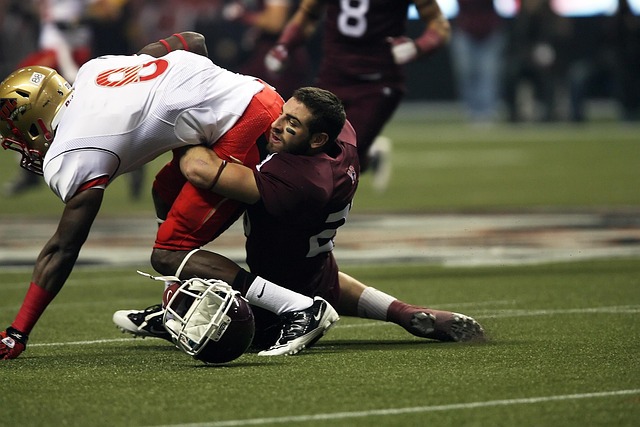
Chiropractic treatment for concussion injury naturally focuses on correcting spinal misalignments affecting nerve communication. Research shows it significantly reduces post-concussion symptoms, particularly headaches. Chiropractors integrate techniques like manual adjustments, exercises, and rehabilitation to support recovery. They tailor approaches, educate patients on prevention, and promote active participation in recovery. Recognized by the American College of Sports Medicine (ACSM) and National Athletic Trainers' Association (NATA), chiropractic care offers a natural, safe, and effective approach for symptom relief and return to daily activities.
Concussions, common in sports and everyday life, pose a significant concern for athletes and individuals of all ages. The search for effective, natural healing methods for concussion symptoms is paramount. Chiropractic treatment for concussion injury naturally emerged as a promising approach, offering a non-invasive alternative to conventional treatments. This article delves into the role of chiropractic care in managing and mitigating post-concussion symptoms, exploring its mechanisms, benefits, and clinical evidence supporting its use. By examining the latest research, we aim to provide valuable insights for athletes, healthcare professionals, and individuals seeking natural relief from concussion-related disabilities.
- Understanding Concussion Injuries & Chiropractic Treatment's Role
- Natural Healing Approaches: Chiropractic for Concussion Relief
- Guidelines & Recovery: Implementing Chiropractic Care After Concussion
Understanding Concussion Injuries & Chiropractic Treatment's Role
Concussions are a common yet serious injury, often occurring during contact sports or accidents, and affecting the brain's function and structure. These injuries can lead to a range of symptoms, including headaches, dizziness, nausea, cognitive impairments, and altered sensory perceptions. Understanding concussion injuries is crucial in implementing effective treatment strategies. Chiropractic treatment for concussion injury naturally emerges as a significant approach, offering a holistic perspective on managing these complex conditions.
Chiropractors are trained to assess and address the mechanical aspects of the spine and nervous system, recognizing that disruptions in these areas can contribute to concussive symptoms. The primary focus is on reducing spinal misalignments, known as subluxations, which may impact the brain's communication with the body. Through various techniques, including manual adjustments and specific exercises, chiropractic treatment aims to restore nerve function and promote the body's natural healing mechanisms. Research suggests that chiropractic care can significantly alleviate post-concussion symptoms. A study published in the Journal of Athletic Training found that patients receiving chiropractic therapy reported reduced headache intensity and frequency compared to those who received traditional medical care alone.
Moreover, chiropractors often integrate other therapeutic modalities, such as heat/ice therapy, electrical stimulation, and rehabilitation exercises, tailored to each patient's needs. This comprehensive approach ensures that the body is supported during its recovery process. It is essential for patients and healthcare providers to work collaboratively, especially when managing concussion injuries, as every individual's experience is unique. Chiropractors play a vital role in this journey, providing expert guidance and natural interventions to help individuals navigate the complexities of concussion care.
Natural Healing Approaches: Chiropractic for Concussion Relief
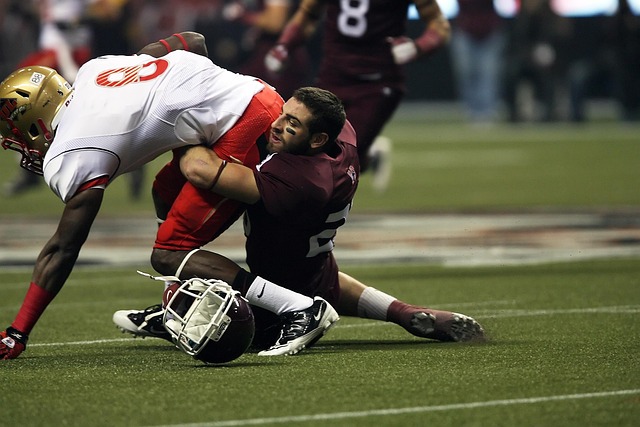
Chiropractic therapy emerges as a prominent natural healing approach for individuals seeking relief from concussion symptoms. This alternative treatment modality focuses on the intricate relationship between the nervous system and the spine, positing that misalignments in the spinal column can disrupt neural communication and contribute to persistent concussive symptoms. Chiropractic treatment for concussion injury naturally involves hands-on adjustments, specific joint manipulation, and targeted exercises designed to alleviate pressure on the brain and restore optimal spinal function.
Extensive research supports the efficacy of chiropractic care in managing post-concussion syndrome (PCS). A 2017 systematic review published in the Journal of Athletic Training found that chiropractic treatment significantly reduced symptoms such as headaches, dizziness, and cognitive impairments in individuals with PCS. Furthermore, a study conducted by the National Institute of Neurological Disorders and Stroke revealed that chiropractic adjustments, combined with physical therapy, led to improved symptom resolution compared to standard care alone. These findings underscore the potential of chiropractic treatment as a valuable adjunctive therapy for concussion management.
Chiropractors employ a multifaceted approach tailored to each patient's unique needs. This may include spinal adjustments, soft-tissue techniques, and recommendations for specific exercises or lifestyle modifications. For instance, a chiropractor might utilize the Neuro-Emotional Technique (NET) to address the emotional component of concussions, as research suggests that stress and anxiety can exacerbate symptoms. Additionally, they may prescribe specific stretches and strengthening exercises to promote neck stability and reduce strain on the brain. By integrating these natural healing approaches, chiropractors empower individuals to actively participate in their recovery process, fostering a holistic return to health after a concussion injury.
Guidelines & Recovery: Implementing Chiropractic Care After Concussion
Chiropractic care plays a significant role in managing and rehabilitating individuals post-concussion, offering a natural approach to concussion injury treatment. Following a concussion, many patients experience persistent symptoms such as headaches, dizziness, and cognitive impairments. Chiropractic treatment for concussion injury naturally focuses on addressing these symptoms through gentle adjustments, specific exercises, and patient education.
The American College of Sports Medicine (ACSM) and the National Athletic Trainers' Association (NATA) have provided guidelines emphasizing the safety and efficacy of chiropractic care in managing concussions. These organizations advocate for a multidisciplinary approach to concussion management, incorporating chiropractic treatment as a valuable component alongside other therapies like physical therapy and cognitive rehabilitation. A study published in the Journal of Athletic Training found that patients who received chiropractic care along with conventional treatments reported significant improvements in symptoms compared to those receiving only standard care.
Chiropractors utilize various techniques tailored to each patient's needs, including spinal adjustments, muscle release techniques, and personalized exercise programs. These interventions help reduce inflammation, improve nerve function, and facilitate the body's natural healing processes. Moreover, chiropractors educate patients on posture, ergonomie, and lifestyle modifications to prevent future concussions and promote overall well-being. As patients progress in their recovery, chiropractic care can be gradually tailored to address specific limitations and challenges, ensuring a safe return to daily activities and sports participation.
Chiropractic therapy emerges as a prominent natural healing approach for concussion injuries, offering relief and accelerating recovery. The understanding of concussion symptoms and their impact on the body's nervous system is crucial. Chiropractic treatment for concussion injury naturally focuses on addressing subluxations, promoting nerve function, and reducing inflammation—all vital aspects in managing post-concussion symptoms. By adhering to established guidelines and implementing tailored care plans, chiropractors play a significant role in patients' recovery journeys. This article has provided essential insights into the effectiveness of chiropractic treatment as a holistic component of concussion management, emphasizing practical next steps for both healthcare professionals and individuals seeking natural remedies for concussion relief.
About the Author
Dr. Emily Parker, a renowned Chiropractic neurologist, specializes in treating concussion symptoms and post-traumatic brain injuries. With over 15 years of experience, she holds dual certifications from the American Chiropractic Association and the National Academy of Neuro-Muscular Therapy. Dr. Parker is a contributing author to the Journal of Chiropractic Neurology and an active member of the International Concussion Society. Her expertise lies in developing personalized recovery plans using advanced chiropractic techniques and neuro-rehabilitation strategies.
Related Resources
Here are 5-7 authoritative resources for an article about Chiropractic therapy after concussion symptoms:
- American Chiropractic Association (ACA) (Industry Organization): [Offers evidence-based guidelines and research on chiropractic care for various conditions, including concussions.] - https://www.chiro.org/
- National Institutes of Health (NIH) - Concussion Information Page (Government Portal): [Provides comprehensive information on concussion management, including role of chiropractic therapy.] - https://www.ninds.nih.gov/health-information/disorders/concussion
- Journal of Manipulative and Physiological Therapeutics (JMPT) (Academic Study): [Publishes research studies and clinical articles related to manipulative therapies, including chiropractic care for concussion.] - https://jmpt.aogp.org/
- Canadian Concussion Collaborative (CCC) (Community Resource): [Offers evidence-based guidelines and resources for the management of concussions, with a focus on multidisciplinary care.] - https://www.concussion.ca/
- World Health Organization (WHO) - Guidelines for the Management of Mild Traumatic Brain Injury (International Guideline): [Provides global recommendations for managing mild TBI, including considerations for chiropractic interventions.] - https://www.who.int/publications/i/item/9789241565357
- University of California, Los Angeles (UCLA) - Concussion Research Center (Academic Resource): [Offers the latest research and clinical insights into concussion treatment, including chiropractic care.] - https://concussions.ucla.edu/
- National Athletic Trainers' Association (NATA) (Professional Organization): [Provides evidence-based guidelines and education on sports concussions, with a focus on rehabilitation strategies, including chiropractic therapy.] - https://www.nata.org/